We understand that plumbing emergencies are rarely convenient. They often strike at the most inopportune moments, turning our sanctuaries into scenes of unexpected chaos. When a pipe bursts, a drain overflows, or a toilet malfunctions drastically, the immediate concern is not only the potential for water damage but also the disruption to our daily lives. It is in these critical junctures that fast and reliable emergency plumbing repair services become an indispensable lifeline for Denver residents.
A plumbing emergency is not a minor inconvenience; it is a situation that demands immediate attention to prevent further damage and restore functionality. These are not issues that can be put off until Monday or the next day. The longer a severe leak goes unaddressed, the more insidious the damage can become, creeping into walls, floors, and foundations.
The Nature of Plumbing Emergencies
When we speak of plumbing emergencies, we are referring to a spectrum of issues that pose a significant threat. These can range from:
- Burst Pipes: A sudden rupture in a water supply line can release a torrent of water, inundating a home or business within minutes. The sheer volume of water discharged from a burst pipe can overwhelm drainage systems and cause rapid structural damage. They often occur due to freezing temperatures, extreme age and corrosion of pipes, or accidental damage. The sound of a burst pipe is typically a sharp, distinct noise, often followed by the rapid accumulation of water.
- Severe Drain Blockages: While a slow drain might be a nuisance, a complete blockage of a main drain line can lead to sewage backup into the premises. This is not only an unsanitary and unpleasant situation but also a health hazard. The most common culprits for severe blockages include an accumulation of grease, hair, food debris, or foreign objects being flushed down drains. The signs are unmistakable: water failing to drain from sinks, tubs, or toilets, and a foul odor emanating from the drain.
- Water Heater Malfunctions: A failing water heater can leave us without hot water, a significant comfort and necessity, especially during colder months. More critically, some water heater issues can involve gas leaks or the possibility of an explosion, making them a serious safety concern. We look for signs such as a lack of hot water, unusual noises from the unit, leaks around the base, or a persistent smell of gas.
- Sewer Line Backups: These are arguably the most severe type of plumbing emergency. A backed-up sewer line can result in raw sewage backing up into our homes, presenting significant health risks and extensive property damage. This issue often stems from blockages within the main sewer line connecting the property to the municipal sewer system, often caused by tree root intrusion, collapsed pipes, or heavy accumulation of waste.
The Impact of Delayed Repairs
Delaying calls for immediate assistance when faced with these issues is akin to ignoring a building fire at its nascent stages. The financial repercussions alone can be substantial, encompassing:
- Extensive Water Damage: Water is a pervasive enemy of building materials. Prolonged exposure can lead to:
- Structural Damage: Rotting wood in floors and walls, weakening of support beams, and deterioration of foundations.
- Mold and Mildew Growth: These microscopic organisms thrive in damp environments, posing health risks like respiratory problems and allergic reactions, and are notoriously difficult and costly to eradicate.
- Damage to Possessions: Furniture, carpets, electronics, and personal belongings are all susceptible to water damage, leading to their ruin.
- Electrical Hazards: Water in contact with electrical outlets and wiring can create short circuits and pose a severe risk of electrocution.
- Health Risks: Sewage backups are a breeding ground for bacteria and pathogens. Exposure can lead to gastrointestinal illnesses, skin infections, and other severe health complications. The lingering odor itself can affect our well-being.
- Financial Strain: Beyond immediate repair costs, we may face unexpected expenses for mold remediation, structural repairs, or even temporary relocations if our homes become uninhabitable. Insurance deductibles can also add to the financial burden.
The Pillars of Fast Denver Emergency Plumbing Repair Services
When disaster strikes, the speed and efficiency of a plumbing service are paramount. Fast Denver emergency plumbing repair services are built upon several key pillars that enable them to respond effectively to urgent situations.
Rapid Response Capabilities
The hallmark of any good emergency plumbing service is its ability to respond quickly. This involves:
- 24/7 Availability: Plumbing emergencies do not adhere to a 9-to-5 schedule. They strike day and night, weekends and holidays. The best services are operational around the clock, ensuring that help is available whenever it is needed. This means having on-call technicians and a dispatch system that functions continuously.
- Proximity and Fleet Management: A service that has a significant presence within Denver and surrounding areas can dispatch technicians efficiently. A well-managed fleet of service vehicles, equipped with GPS tracking and communication systems, allows for optimal route planning and rapid arrival times. The fewer miles a truck needs to cover, the faster it reaches us.
- Streamlined Dispatch and Communication: Efficient dispatching is like the central nervous system of an emergency response. When we call, the dispatcher needs to quickly assess the situation, gather essential information, and assign the most appropriate technician. Clear communication protocols between dispatch, technicians, and customers ensure that everyone is informed and coordinated.
Skilled and Equipped Technicians
Having quick access to a technician is only half the battle; that technician must be competent and have the right tools.
- Experienced Professionals: Emergency plumbing requires seasoned professionals who can diagnose complex problems under pressure. They should possess extensive knowledge of various plumbing systems, common failure points, and effective repair strategies. Their experience allows them to avoid guesswork and implement proven solutions.
- Comprehensive Diagnostic Tools: Modern emergency plumbers are equipped with advanced diagnostic tools that go beyond a simple visual inspection. These may include:
- Drain Cameras: For peering into pipes to identify the exact location and nature of a blockage or damage.
- Leak Detection Equipment: Devices that use acoustic sensors or thermal imaging to pinpoint hidden leaks behind walls or under floors.
- Pressure Testing Equipment: To assess the integrity of the plumbing system and identify areas of weakness.
- Well-Stocked Service Vehicles: Technicians should arrive with a comprehensive inventory of common parts and tools. This minimizes the need for return trips to the supply house, which can significantly delay repairs. From various types of pipes and fittings to specialized tools for pipe repair and drain cleaning, a well-stocked vehicle is a mobile workshop.
Commitment to Minimizing Damage
Beyond simply fixing the immediate problem, a reputable emergency plumbing service prioritizes minimizing the collateral damage caused by the emergency.
- Containment Strategies: Upon arrival, the first priority is often to contain the water flow. This might involve shutting off the main water supply, using temporary dams, or strategically placing tarps and barriers to protect unaffected areas.
- Emergency Pumping and Water Extraction: For situations involving significant water accumulation, emergency plumbers may have access to industrial-grade pumps to quickly remove standing water from basements, crawl spaces, or flooded rooms.
- Temporary Repairs and Solutions: In cases where a permanent repair requires specialized parts or extensive work, technicians will often implement effective temporary fixes to stop the flow of water and prevent further damage until a permanent solution can be implemented. This might involve pipe clamping, temporary sealing, or rerouting water lines.
Common Plumbing Emergencies and Their Solutions
When we face a plumbing crisis, understanding the specific issue can help us communicate it more effectively to the repair service and understand the potential solutions.
Burst Pipes: A Watery Onslaught
Burst pipes are a dramatic and destructive event. The immediate goal is to stop the water flow and assess the damage.
Immediate Actions
- Shut Off the Main Water Supply: This is the crucial first step. Locate your main water shut-off valve, typically found in the basement, garage, or near the water meter. Turning this off will stem the flow of water to the entire property.
- Assess the Damage: Once the water is off, document the extent of the water damage with photographs or videos. This is important for insurance purposes.
- Contact Emergency Services: Call a fast Denver emergency plumbing repair service immediately.
Repair Strategies
- Pipe Repair or Replacement: Depending on the severity and location of the burst, the technician will likely need to cut out the damaged section of pipe and replace it. This could involve various types of piping materials such as copper, PEX, or PVC.
- Frozen Pipe Prevention: If the burst was due to freezing, the technician may offer advice on preventing future occurrences, such as insulating exposed pipes, sealing air leaks, and maintaining adequate
heating in vulnerable areas.
Severe Drain Blockages: The Unpleasant Backflow
A completely clogged drain can quickly turn a functional sink or toilet into a source of overflowing waste.
Identifying the Problem
- Slow or Non-Draining Fixtures: All drains in a particular area or the entire house may be draining extremely slowly or not at all.
- Gurgling Sounds: Unusual gurgling noises emanating from drains might indicate a partial blockage.
- Foul Odors: A persistent sewer smell is a strong indicator of a serious blockage or backup.
Resolution Techniques
- Drain Snaking/Augering: For clogs caused by accumulation of hair, grease, or small objects, technicians use a drain snake or auger. This is a flexible metal cable that is fed into the drainpipe to break up or retrieve the obstruction.
- Hydro-Jetting: For more stubborn or extensive blockages, particularly in main sewer lines, hydro-jetting utilizes high-pressure water streams to blast away stubborn debris, grease, and even tree roots from the inside of pipes.
- Sewer Line Inspection and Repair: If the blockage is determined to be a problem with the main sewer line, a camera inspection will be performed. Depending on the findings, this might involve pipe relining, trenchless pipe repair, or traditional excavation and replacement of the damaged sewer line.
Water Heater Issues: Loss of Warmth and Potential Danger
A malfunctioning water heater can be a significant inconvenience, but certain problems also present safety risks.
When to Worry
- No Hot Water: The most obvious sign, but the reasons can vary from a tripped breaker to a more serious heating element failure.
- Unusual Noises: Popping, rumbling, or banging sounds can indicate sediment buildup or other internal issues.
- Leaks: Visible water around the base of the heater or from the unit itself needs immediate attention.
- Smell of Gas: For gas water heaters, any smell of gas is a critical emergency requiring immediate evacuation and a call to emergency services.
Addressing Water Heater Problems
- Diagnosis and Repair of Components: Technicians will diagnose the specific issue, whether it’s a faulty thermostat, heating element, pilot light issue (for gas models), or a leak in the tank itself. Repairs will involve replacing the defective component.
- Water Heater Replacement: If the water heater is old, beyond repair, or the tank itself is compromised, replacement will be recommended. Modern water heaters are more energy-efficient and reliable.
- Tankless Water Heater Services: For those with tankless water heaters, technicians are trained to diagnose and repair issues specific to these systems, such as sediment buildup, igniter problems, or flow sensor malfunctions.
The Importance of Choosing the Right Service
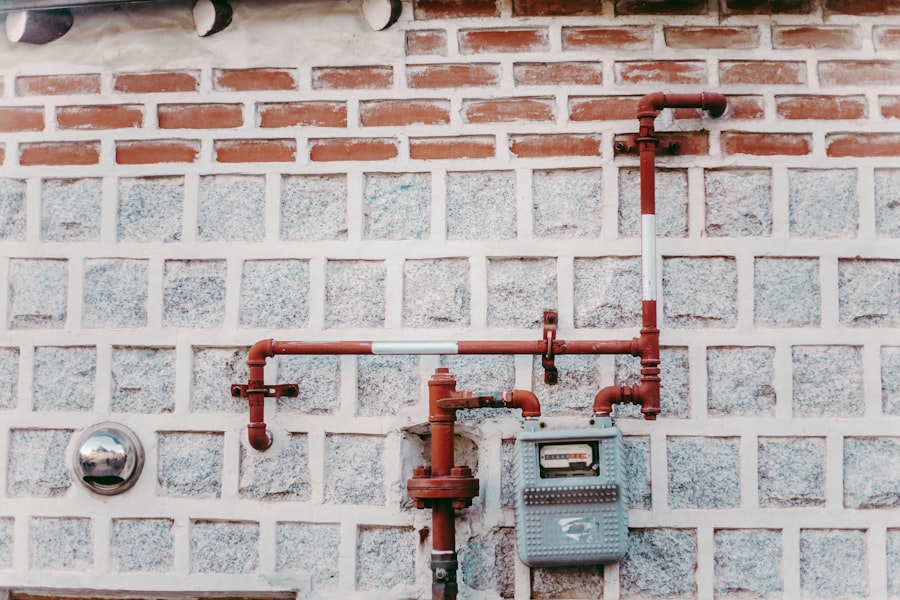
In a crisis, we often make choices based on urgency. However, even in an emergency, selecting the right service provider can significantly impact the outcome.
What to Look For
When searching for fast Denver emergency plumbing repair services, consider the following attributes:
- Reputation and Reviews: Look for services with a strong track record and positive customer reviews. Online platforms and local directories can be valuable resources. A good reputation is like a well-built dam; it holds back potential problems.
- Licensing and Insurance: Ensure the service is licensed and insured. This protects us from liability in case of accidents or damage occurring during the repair.
- Transparent Pricing: While emergencies can be costly, reputable services will provide clear and upfront pricing or estimates before commencing work. Avoid services that are unwilling to discuss costs.
- Service Guarantees: Check if the service offers a warranty or guarantee on their repairs. This demonstrates their confidence in their workmanship.
The Cost Factor
Emergency services inherently carry a higher price tag due to the immediate nature of the work, after-hours technicians, and specialized equipment. However, the cost should be weighed against the potential for greater damage and expense if a substandard or slow service is chosen.
- Emergency Surcharges: Be aware that most emergency services will have a surcharge for after-hours, weekend, or holiday calls.
- Diagnostic Fees: Some services may charge a diagnostic fee to assess the problem, which may or may not be applied to the total repair cost.
- Material and Labor Costs: The final cost will include the price of replacement parts and the technician’s labor.
Proactive Measures to Mitigate Plumbing Emergencies
| Metric | Value | Details |
|---|---|---|
| Average Response Time | 45 minutes | Time taken for a plumber to arrive after a service call |
| Common Emergency Types | Burst Pipes, Clogged Drains, Water Heater Failures | Most frequent plumbing emergencies reported in Denver |
| Service Availability | 24/7 | Emergency plumbing services available round the clock |
| Average Repair Duration | 2-3 hours | Typical time to complete emergency plumbing repairs |
| Customer Satisfaction Rate | 92% | Percentage of customers satisfied with emergency plumbing repairs |
| Average Cost Range | 150 – 600 | Typical cost range for emergency plumbing repair services |
| Number of Licensed Plumbers | 150+ | Licensed emergency plumbers operating in Denver |
While we cannot always prevent unexpected plumbing failures, certain proactive steps can significantly reduce the risk and our reliance on emergency services.
Routine Maintenance: The First Line of Defense
Regular maintenance is the preventative medicine of the plumbing world.
- Annual Inspections: Schedule annual plumbing inspections with a trusted professional. They can identify potential weak points, leaks, or developing issues before they become emergencies.
- Drain Cleaning: Periodically have your main drain lines professionally cleaned, especially if you have older pipes or a history of clogs.
- Water Heater Flushing: For traditional tank water heaters, regular flushing can remove sediment buildup that can reduce efficiency and potentially damage the tank lining.
- Inspecting Visible Pipes: Regularly check exposed pipes under sinks, in basements, and crawl spaces for any signs of corrosion, leaks, or unusual moisture.
Seasonal Preparedness
Denver’s climate presents unique challenges, particularly during winter.
- Preventing Frozen Pipes:
- Insulate Exposed Pipes: Use foam insulation sleeves on pipes in unheated areas like garages, basements, and crawl spaces.
- Seal Air Leaks: Caulk and weatherstrip around any openings that allow cold air to enter areas with plumbing.
- Allow a Trickle of Water: During extreme cold snaps, letting a faucet drip slightly can prevent pipes from freezing by keeping water moving.
- Maintain Adequate Heating: Ensure all areas of your home are kept at a reasonable temperature, even when unoccupied.
- Addressing Outdoor Faucets: Disconnect garden hoses from outdoor spigots in the fall and, if possible, shut off the water supply to those spigots from inside the house.
Being a Prepared Homeowner
Empowering ourselves with knowledge and having a plan can make a significant difference during a plumbing emergency.
- Know Your Shut-Off Valve: Locate and understand how to operate your main water shut-off valve. Practice turning it on and off.
- Keep a Plumbing Service Number Handy: Store the number of a reliable emergency plumbing service in your phone and perhaps on a visible note in your home.
- Understand Your Home Insurance Policy: Familiarize yourself with what your homeowner’s insurance covers regarding water damage and plumbing emergencies.
Conclusion: Peace of Mind in a Flowing System
Fast Denver emergency plumbing repair services act as the rapid response teams for our homes and businesses when the essential flow of water is disrupted. They are the professionals who rush in when the unexpected happens, stemming the tide of damage and restoring order. While we hope to never need their services, knowing they are readily available offers a crucial layer of security. By understanding the nature of plumbing emergencies, valuing the expertise of skilled technicians, and taking proactive steps to maintain our plumbing systems, we can navigate these challenging situations with greater preparedness and ultimately ensure the continued smooth operation of our most vital resource: water. We equip ourselves with knowledge and reliable services so that when the unexpected inevitably flows, we are ready to manage it effectively.